
Why the Best Engineering Colleges Are Your Fastest Path to a Series A Engineering Team
A Series A founder who ignores the best engineering colleges burns cash re-learning lessons those campuses already teach for free.
The Best Engineering Colleges Compress Your Hiring Timeline
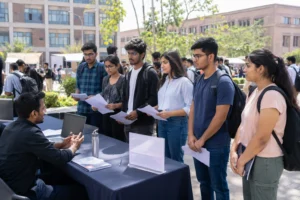
Speed decides whether a Series A company ships before the runway runs out. A founder who builds a recruiting pipeline from the best engineering colleges skips months of sourcing, screening, and false starts. Graduates from these programs arrive with a shared technical vocabulary: they know how to reason about data structures, they can read a system design doc without hand-holding, and they don’t need a six-week onboarding ramp to understand what a pull request review looks like.
Compare that to sourcing broadly across the open market. A generalist hiring funnel forces a founder to filter hundreds of resumes, run dozens of technical screens, and still gamble on culture fit. Campus pipelines from the best engineering colleges flip that math. Career centers pre-filter for GPA, project rigor, and internship history. Student engineering clubs and hackathon teams self-select for builders who ship. A founder who taps into that funnel through a referral program, a campus ambassador, or a lightning-talk guest lecture inherits a pool that’s already been screened once by the institution and once by the peer group around them.
The best engineering colleges also compress the interview-to-offer window because their students move fast on decisions. A student weighing three offers from three startups picks the one that responds first with a clear scope of work and a real technical challenge, not a take-home that eats a weekend. Founders who understand this urgency treat campus recruiting like a sales funnel with a short cycle, not a slow annual hiring event. That mindset shift alone shortens time-to-hire by weeks.
Talent Density From the Best Engineering Colleges Drives Real ROI

A Series A company doesn’t have the headcount budget to carry weak engineers while they grow into the role. Every hire needs to produce leverage from week one. Graduates from the best engineering colleges tend to arrive with project portfolios — open-source contributions, capstone builds, internship code that shipped to production — that let a founder judge output instead of guessing from a resume bullet.
Return on investment here isn’t abstract. A senior engineer who spends less time reviewing junior code and more time shipping features moves the roadmap forward. A founder who hires two strong engineers from a top program instead of five average engineers from a scattershot search saves on salary, on management overhead, and on the coordination tax that grows nonlinearly with headcount. Small, dense teams built around graduates of the best engineering colleges ship faster because fewer people need to agree before code merges.
There’s a compounding effect too. Engineers from strong programs recruit their own former classmates and lab partners once they trust the company. That referral chain becomes a self-sustaining hiring channel that costs a fraction of what a recruiting agency charges per hire. A founder who treats their first two or three engineering hires from top programs as a seed investment in future recruiting sees the payoff scale with headcount, not against it.
Investor Confidence Tracks the Pedigree Behind Your Engineering Team

Series A investors run technical diligence on the founding and early engineering team, and the pedigree behind that team shapes how much confidence a term sheet reflects. A CTO or lead engineer who trained at one of the best engineering colleges signals to a diligence team that the technical foundation of the company rests on more than a founder’s personal conviction. It’s not the only signal investors weigh, but it removes a category of doubt from the conversation.
This matters most in technical due diligence calls where a partner brings in an outside engineer to stress-test the architecture. A team stocked with graduates from strong engineering programs tends to hold up better under that scrutiny because the underlying design decisions came from people trained to defend tradeoffs rigorously, not just to make things work. Investors notice when a team can articulate why they chose a particular database, a particular queueing strategy, or a particular deployment architecture, and that clarity often traces back to the rigor instilled by a strong engineering curriculum.
Board composition benefits too. Advisors and board members who came up through the best engineering colleges bring networks that open doors — to other investors, to potential acquirers, to enterprise customers who want to see a technical bench before signing a contract. A founder building toward a Series B round should treat every engineering hire from a top program as a future reference point in the next round’s diligence process, not just a line item on today’s payroll.
Building a Repeatable Pipeline Into the Best Engineering Colleges

A one-time hire from a strong program doesn’t build a pipeline. A founder needs a repeatable system that turns the best engineering colleges into a standing recruiting channel rather than a lucky break.
Start with a narrow list. A Series A company can’t run a relationship with fifty schools; two or three programs where the founding team already has alumni ties, prior internship relationships, or a natural geographic fit will outperform a scattered approach. Assign one person — often the founder or the first engineering lead — to own that relationship: guest lectures, sponsored hackathons, or a paid micro-internship during a winter break. These touchpoints cost far less than a recruiting agency retainer and produce a warmer, faster funnel.
Next, build a fast-decision interview loop specifically for campus hires. Students from the best engineering colleges often juggle multiple offers on tight timelines set by their school’s career center. A founder who runs a two-stage process — one technical conversation, one culture and scope conversation — and turns around an offer within a week beats a company running a five-round loop that drags into a second month. Speed here isn’t a nice-to-have; it’s the difference between winning and losing the candidate to a bigger company with a slower but better-known brand.
Finally, track the pipeline like any other growth channel. A founder should know which of the best engineering colleges produced the strongest performers a year after hire, which referral chains generated the most applicants, and which recruiting touchpoints converted best. Treating campus recruiting as a measurable funnel — impressions, applications, interviews, offers, acceptances, one-year retention — turns a soft relationship into a hard asset the company can point to when explaining its engineering strategy to a board or a Series B investor.
A founder who builds this system early doesn’t just fill open roles faster. They build an engineering brand on campus that compounds: the best engineering colleges become a channel that gets stronger every hiring cycle instead of resetting to zero each time a new role opens.
Recruiting from the best engineering colleges isn’t a prestige play — it’s a speed and ROI decision that pays back in shipped code, investor confidence, and a hiring pipeline that gets cheaper every quarter. Founders who build that channel early spend their Series A runway building product, not chasing resumes.
Written by Choweats.com
Resources
- “U.S. News & World Report’s engineering school rankings”https://www.usnews.com/best-colleges/rankings/engineering-overall
- “Y Combinator’s guide to hiring your first engineers”https://www.ycombinator.com/library/6a-a-guide-to-seed-fundraising