
A Real Best Tourist Places List Survives a Cross-Examination Your Favorite Blog Never Faces
A traveler who copies a random “best tourist places” roundup into a bucket list ends up standing in line behind the same crowd that read the same list, while the actual best tourist places for their trip sit one town over, cheaper, quieter, and just as impressive once you check the facts instead of the traffic numbers.
The Best Tourist Places Lists You See First Aren’t Ranked for You
Search platforms reward whichever best tourist places content already has the most backlinks and click history, which means the destinations at the top of most best tourist places searches earned that position through publishing momentum, not necessarily through being the best tourist places for your specific trip. Petra, the Eiffel Tower, and Uluwatu’s cliffs deserve their reputations, and they show up on nearly every best tourist places list published since the mid-2000s for good reason. But that same momentum buries comparable destinations that never built the content history needed to compete in a best tourist places search result.
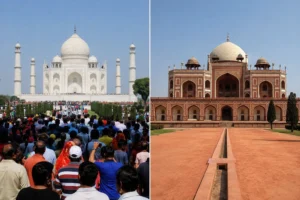
Chand Baori, a geometric 13th-century stepwell in Abhaneri, India, makes the point directly. It has no close equivalent anywhere else on Earth, yet it rarely cracks a best tourist places roundup, while Petra pulls close to a million annual visitors and a permanent slot on best tourist places content. The difference reflects which site has more articles written about it, not which site delivers a better experience once you’re standing in front of it.
A destination only earns a place among genuine best tourist places when it clears three checks: it offers something truly rare, it fits the traveler’s actual time and budget, and it holds up when checked against people who’ve actually been there. Most viral best tourist places entries clear the first check and skip the other two.
Four Checks That Separate Genuine Best Tourist Places from Overhyped Ones
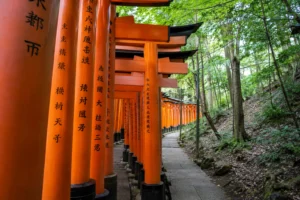
Unrepeatable experience density. Kyoto’s Fushimi Inari shrine, lined with roughly ten thousand vermilion torii gates climbing a mountain trail, belongs on any serious best tourist places list because no other site on the planet replicates it at this scale. A pleasant but generic beach resort rarely deserves the same billing, since interchangeable versions of it exist on dozens of other coastlines.
Verified accessibility. The Galápagos Islands earn a spot among wildlife-focused best tourist places, but a trustworthy entry discloses the real cost of getting there — advance permits, a licensed guide, and a budget starting above two thousand dollars. Ranking a destination among the best tourist places without disclosing that friction sets the reader up for a budget surprise.
Seasonal reliability. Iceland’s Ring Road is one of the best tourist places to drive in July and a genuinely harder trip in January, with black ice and only four hours of daylight. A list that presents a single static rank without flagging the seasonal swing isn’t giving an honest picture of the destination.
Independent corroboration. UNESCO heritage status, government tourism data, and independent travel journalism each score destinations differently. A location that clears all three earns real credibility as one of the best tourist places, rather than resting on one blog’s opinion.
Santorini shows why every check matters together. It clears “unrepeatable experience” and “corroboration” comfortably, which is why it’s a fixture on Greek best tourist places lists. But it fails the seasonal check outright — the island is a different, overcrowded place in August than the quiet volcanic hike it is in May, and skipping that detail misleads anyone booking off the list alone.
Five Destinations, Checked Against the Best Tourist Places Filters
Hoi An, Vietnam. Its UNESCO-listed Ancient Town, with intact 15th-to-19th-century architecture, gives Hoi An genuine claim to a spot among Southeast Asia’s best tourist places. Da Nang airport sits thirty minutes away, February through April avoids the wet season, and UNESCO’s listing plus Vietnam’s own tourism data back up the ranking.
Chefchaouen, Morocco. The blue-washed medina in the Rif Mountains gives Chefchaouen a visual identity nothing else in North Africa matches, earning it frequent mention among Morocco’s best tourist places despite lighter formal corroboration than a UNESCO site carries. March through May avoids both winter rain and summer heat, and the drive from Fez or Tangier runs about four hours.
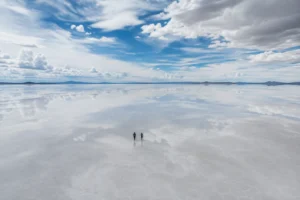
Salar de Uyuni, Bolivia. The world’s largest salt flat produces a mirror effect during the wet season that no comparable site reproduces anywhere else, securing its place on any serious South American best tourist places list. Getting there requires a flight to La Paz and a multi-day tour, and the mirror effect only appears from December through April.
Plitvice Lakes, Croatia. Sixteen UNESCO-listed terraced lakes connected by waterfalls make Plitvice a stronger pick, dollar for dollar, than the more famous Dubrovnik. Two hours from Zagreb by car and best visited in late spring when snowmelt peaks the water flow, Plitvice consistently delivers more for less than pricier destinations nearby.
Ha Long Bay, Vietnam. Close to two thousand limestone karsts rising from emerald water hold up in person, not just in photographs, and the main bay earns its reputation honestly. It’s also grown crowded enough that neighboring Lan Ha Bay now offers a nearly identical experience with far less boat traffic — a reminder that the true standout sometimes sits just past the spot everyone searches for by name.
Build Your Own Shortlist Instead of Copying Someone Else’s

Start with three to five destinations under genuine consideration, and for each one write down the specific feature that makes it irreplaceable — not “beautiful,” a description too generic to distinguish one destination from another. Check real logistics next: flights, visas, permit requirements, and minimum days needed on the ground, since accessibility alone determines whether a destination realistically belongs on your shortlist.
Match the ideal season against your actual travel dates, because visiting at the wrong time turns a strong destination into a weaker version of itself regardless of its reputation. Then check at least one government tourism body alongside one independent travel publication — agreement between the two carries more weight than a single listicle recycling the same six photographs of Santorini.
This process takes one evening and consistently beats scrolling through yet another recycled “Top 10” roundup published purely to capture search traffic.
The destinations that earn their reputation are the ones that survive scrutiny after the marketing fades, and the traveler who checks accessibility, season, and independent corroboration before booking will consistently do better than the one who trusts whichever list ranked highest on a search results page.
Written by Choweats.com